If you’ve ever stepped into a panoramic elevator—those glass-walled cars that let you stare at a city skyline mid-rise or watch gardens unfurl inside a mall—you might’ve wondered, “Wait, do these even have regular call buttons?” I get it. For years, panoramic elevators were marketed as these sleek, futuristic, vibe-driven lifts that felt more like tourist attractions than functional equipment. I’m Jake, I run a panoramic elevator supply company, and I field this exact question at least twice a week from architects, building managers, even regular folks browsing our showroom. Let’s break this down straight, no industry jargon, just real-world stuff we deal with every day. Panoramic Elevators
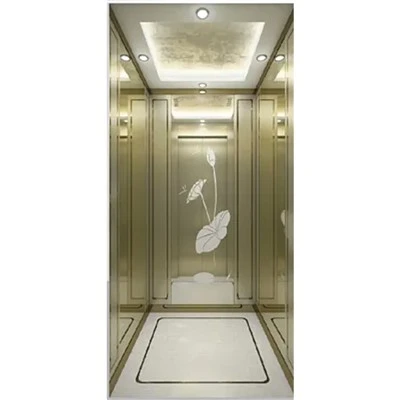
First, let’s clear up a myth I hear all the time: panoramic elevators aren’t a separate, standalone type of lift built from scratch. They’re a configuration of a standard traction or hydraulic elevator with one critical upgrade: at least three sides are fully (or partially) transparent glass, instead of the solid metal or concrete walls you see on regular service elevators. That base? It’s got all the core elevator parts you’d expect. So if a standard elevator has a call-button system, why wouldn’t a panoramic one?
Now, let’s get specific about that call system. There are two places call buttons live, right? The ones on the hallways of your building (the ones you press to summon the elevator) and the ones inside the car (to pick your floor once you’re in). Panoramic elevators have both—full stop. I’ve installed dozens in office towers, boutique hotels, and even residential high-rises, and every single one has hall call buttons and car control panels. The only time you might think you’re missing them? Is if the installer hid them to keep that seamless, uncluttered glass look. Let me give you an example: a client of mine a few years back wanted a panoramic elevator in their penthouse condo, so we flush-mounted the hall call buttons into the wall right next to the glass—no protruding edge, same as the rest of the surface. You can barely tell they’re there unless you know what to look for. That’s a common trick we use for high-end projects where aesthetics are non-negotiable.
Wait, but what about the glass itself? I know another myth: some people think panoramic elevators use touchscreen controls instead of physical buttons. That’s true for some, but not all. For residential builds or small retail spaces, touchscreens work great—they blend right into the glass, no extra hardware. But for heavy-traffic spots, like a mall or a hospital, touchscreens can get tricky. Fingerprints, smudges, accidental taps? We’ve had clients with 10,000 daily foot traffic tell us touchscreens were a nightmare, so we went back to physical, ergonomic buttons that sit just enough off the glass to feel solid. Most of the time, it’s a call with the client based on how their space gets used.
Let’s talk about a scenario that trips a lot of people up: a panoramic elevator in a shopping mall, right? Kids are running around, people are carrying big bags, someone’s using a stroller. Would the call buttons work the same as a regular elevator? 100%—same speed, same responsiveness, same safety protocols. We don’t cut corners on the core systems just because the walls are glass. The only difference is the outer shell. The call button system is still regulated by the same elevator codes we follow for every lift. OSHA, ASME A17.1—those rules apply to panoramic elevators too, no exceptions. So if a standard elevator has to have certain button sizes, height, spacing, panoramic ones do too. That means no tiny buttons, no out-of-reach ones, even if you’re installing them flush.
I should also mention one thing that’s unique to panoramic elevators when it comes to call buttons: accessibility. Because these elevators are often in spaces that are meant to be visible (not tucked in a back hallway like a service elevator), we go the extra mile on accessible controls. We add large, tactile buttons for visually impaired folks, braille markers, even audio prompts for each floor. I worked on a project at a waterfront condo in Boston a couple years back, and the board insisted the panoramic elevator be accessible for residents with mobility issues, plus look good enough to take Instagram photos. So we did both: 4-inch physical buttons with high-contrast text, braille, and a touchscreen backup that’s big enough for someone in a wheelchair to reach from a seated position. That’s the kind of balance we’re used to with these lifts—they’re not just functional, they’re a feature of the building, so every part has to pull double duty.
Wait, have you ever gotten in a panoramic elevator and noticed the call buttons inside are lit up blue or green, to match the glass? That’s another aesthetic touch we add, not because the system needs it, but because clients want it to flow. Some of our competitors try to skip call buttons entirely for “maximal glass,” but that’s a bad idea. What if the power goes out? You need physical buttons to call for help. What if the touchscreen freezes mid-commute? You need a backup. I’ve seen a couple projects where installers skipped physical hall call buttons and only did touchscreens, and within six months, they were breaking all the time. Maintenance calls spiked, clients were annoyed. So we never do that. The call system is non-negotiable, no matter how sleek the design is.
Let’s address a question I get a lot from architects: can we customize the call buttons for panoramic elevators? Absolutely. Do you want them made of brushed stainless steel to match the frame? We can do that. Do you want them recessed so they don’t stick out? We can flush-mount them. Do you want the floor numbers printed with a frosted finish so they blend with the glass? We offer that. The only limit is the code—buttons have to meet height and size requirements, so we can’t get too crazy, but there’s way more flexibility than with a standard elevator.
Another common mix-up: some people confuse panoramic elevators with observation elevators. Wait, observation elevators are usually taller, part of a multi-story atrium, right? Those also have call button systems—no difference. I installed an observation elevator at a theme park in Florida a while back, and it had hall calls on each of the park’s three main levels, plus car controls inside, all with the same glass walls. Even at 150 feet tall, the call system worked exactly as it should. No weird glitches, no lag, same as any other lift.
Let’s talk about why people think panoramic elevators don’t have call buttons. It’s all about the illusion. The glass walls make the whole thing feel open, like there’s no equipment around, so you forget it’s got all the same parts. When you step inside and there’s no big metal panel with buttons on the wall, it’s easy to assume they’re missing. But trust me, we’ve put thousands of call buttons in panoramic elevator cars over the years. Every single one is there, just hidden a little to keep the vibe clean.
Now, if you’re thinking about installing a panoramic elevator, whether for your home, your business, or a building project, don’t make the mistake of skimping on the call system. I’ve seen too many clients prioritize the glass design and cut corners on the control panel, only to end up with a lift that’s pretty but hard to use. A good panoramic elevator balances looks and function—so you get that wow factor, plus a reliable way to call it and pick your floors.
If you’re shopping around for a panoramic elevator supplier, ask the right questions. Don’t just focus on the glass size or the warranty. Ask about their call button system: is it code-compliant? Do they offer physical buttons and touchscreen options? How do they handle accessibility? We’re big on transparency here, so we walk every client through exactly what they’re getting, no fine print, no surprises.
At the end of the day, panoramic elevators are still elevators. They move people between floors, and to do that, they need call buttons—both to summon them from the hallway and to control them from inside. The only difference is how those buttons look, to fit the sleek, open design that makes these lifts so popular.
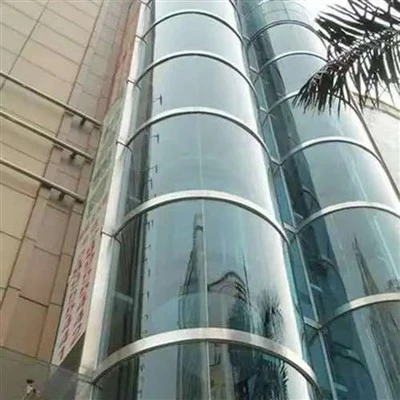
If you’re looking to get a panoramic elevator for your space, let’s chat. I can walk you through different call button options, talk about what works best for your building’s traffic, and make sure everything checks out for code and accessibility. We’re here to help you get a lift that looks great and works even better.
Hospital Elevator References
- ASME A17.1-2020/CSA B44-2020, Safety Code for Elevators and Escalators
- OSHA 29 CFR 1910.65, Elevator and Escalator Safety Standards
- National Elevator Industry, Inc. (NEII) Panoramic Elevator Design Guidelines, 2022
- International Building Code (IBC) 2021, Accessibility Requirements for Vertical Transportation Systems
Ningbo Dongao Elevator Co., Ltd.
As one of the most experienced panoramic elevators manufacturers and suppliers in China, we also support customized service. We warmly welcome you to buy high quality panoramic elevators for sale here from our factory. For quotation, contact us now.
Address: No. 16 Xiapan Road, Ninghai County, Ningbo City, Zhejiang Province
E-mail: 13777289058@163.com
WebSite: https://www.daelevator.com/
