When I first started my copper turning business back in 2012, I never expected how many hoops I’d have to jump through to make sure every part leaving my shop was up to par. As someone who’s spent more hours than I can count hunched over lathes, measuring every dimension with a micrometer, I know that when a customer orders copper turning products, they’re not just buying metal shaped into a form—they’re buying reliability, durability, and peace of mind. And that starts with the right certifications. Copper Turning

Let me break down what every supplier, including my own, needs to have in place to stand behind their copper turning work. First up is material certification. Copper isn’t a one-size-fits-all metal; there are different grades like C11000 (electrolytic tough pitch), C12200 (phosphorus deoxidized), and C26000 (cartridge brass, though that’s technically a copper alloy). Each grade has its own chemical composition, and if you get that wrong, your product can fail prematurely. For example, if you use C11000 for a plumbing fitting that should be C12200, the part might corrode faster when exposed to water. That’s why I always require my raw material suppliers to provide a mill test report (MTR) for every batch. This report lists the exact percentage of copper, tin, zinc, or other elements in the copper, so I can verify it meets the specifications my customer ordered. Without an MTR, you’re just guessing about what metal you’re working with—and guessing leads to mistakes.
Next, there’s quality management system certification. IISO 9001 is the big one here, and for good reason. When I got my shop certified in 2015, it forced me to put systems in place for every step of the turning process: from design input, to machine setup, to final inspection, to customer feedback. Before that, I’d sometimes miss a small detail because I was rushed, but ISO 9001’s standards mean every part is processed the same way, every time. For copper turning specifically, that means things like ensuring the lathes are calibrated regularly, the cutting tools are sharp enough to prevent burrs (which can cause issues in assembly), and the inspection equipment (like coordinate measuring machines or micrometers) is accurate. A lot of my clients, especially those in the automotive or plumbing industries, won’t even consider working with a supplier who doesn’t have ISO 9001 because it’s a proven sign of consistent quality.
Then there’s industry-specific certifications, depending on what the copper turning product is used for. Let’s say you’re making parts for the food and beverage industry. Those parts have to be safe for contact with food, so I need to follow FDA certification standards. The FDA sets limits on what materials can come into contact with food, and copper has to meet specific requirements for lead content and surface finish. For example, in 2018, I had a client who needed copper valves for a commercial brewery. We had to provide documentation that our copper turning work didn’t have excessive lead leaching—something that FDA testing confirmed. Without that, they couldn’t sell their brewery equipment, so it was non-negotiable.
For the aerospace industry, it’s even stricter. Aerospace copper parts need to meet AS9100 certification, which is a specialized version of ISO 9001 tailored to the aerospace sector. AS9100 adds extra requirements for traceability, risk management, and configuration management. When a component is used in an airplane, a failure can have life-threatening consequences, so every step of the copper turning process has to be documented: who set up the machine, what tools were used, what the final dimensions were, and which batch of copper was used. I don’t work in aerospace, but I’ve heard from clients who do that AS9100 is a must, and suppliers without it can’t even bid on projects.
Another important one is environmental and safety certification. Copper turning involves cutting metal, which produces chips, dust, and cutting fluids. We have to comply with OSHA standards to keep our employees safe—things like proper ventilation, personal protective equipment (PPE), and machine guarding. But there’s also environmental certifications, like RoHS (Restriction of Hazardous Substances). RoHS is important for electronics applications, where copper turning parts might be used in circuit boards or connectors. RoHS restricts the use of lead, mercury, and other hazardous materials, so we have to make sure our copper and any coatings we use on the parts meet those limits. A few years back, we had a client in the electronics sector that rejected a batch of parts because the surface coating we used didn’t meet RoHS standards. We fixed the issue by switching to a RoHS-compliant coating, and since then, we’ve added a separate check for that in our final inspection.
Now, I know what some of you might be thinking: “Do I really need all these certifications if I’m just making small copper turning parts for a local job shop?” The answer depends on your customer. If you’re selling to a hobbyist who needs a custom copper knob, maybe not. But if you’re selling to a company that uses copper parts in products that go to consumers, or to other manufacturers, those certifications build trust. They tell your customer that you’re not just turning metal—you’re turning it to a standard that’s been proven to work.
Let me share a personal example. A few years ago, a small plumbing company reached out to me for copper turned fittings. They were a new business, and they didn’t ask for any certifications at first. But when we started making the parts, I insisted on providing them with the MTR and proof of ISO 9001. They told me that even though they didn’t need it for their local jobs, having that documentation let them market their fittings as “certified copper parts,” which helped them win bigger contracts with regional builders. That’s the thing about certifications—they’re not just for the supplier; they’re for your customer’s customers. They add value to every product we make.
So how do I make sure I’m up to date on all these certifications? It’s not a one-time thing. I spend time every quarter reviewing changes in industry standards, attending trade shows (like the International Manufacturing Technology Show) to learn from other copper turning suppliers, and working closely with my material testing lab. Last year, when RoHS updated its limits on certain materials, we had to adjust our coating process and retrain our inspectors. It’s a lot of work, but it’s worth it because it means my customers can rely on the parts I send them.
Now, if you’re a business owner looking for a copper turning supplier, or a customer who needs high-quality copper parts, you should ask for these certifications upfront. Don’t just take a supplier’s word for it—ask to see the MTR, their ISO 9001 certificate, any industry-specific certifications, and proof of compliance with environmental standards. For me, that documentation is as important as the copper itself. It’s how I stand behind every part that leaves my shop.
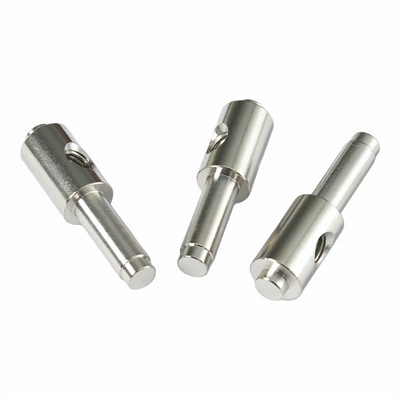
At the end of the day, my business is built on trust. I’ve been in this long enough to know that a customer will come back to me not just because I can turn copper parts, but because they know the parts will meet all the necessary standards. If you’re in need of reliable, certified copper turning products, I’m here to help. We work with clients across industries, from small custom jobs to large production runs, and we can provide all the documentation you need to meet your own requirements. Reach out to us to discuss your project—we’ll walk through every detail, from material specs to certifications, to make sure you get exactly what you need.
CNC Turning References
- International Organization for Standardization. (2015). ISO 9001:2015 Quality management systems — Requirements.
- U.S. Food and Drug Administration. (2022). Food Contact Materials: Copper and Copper Alloys.
- SAE International. (2020). AS9100D: Quality Management Systems — Aerospace Requirements.
- European Commission. (2011). Restriction of Hazardous Substances (RoHS) Directive 2011/65/EU.
- Occupational Safety and Health Administration. (2021). Safety and Health Regulations for Construction (29 CFR 1926) and General Industry (29 CFR 1910) for Metalworking Operations.
Huizhou Quanyi Precision Hardware Products Co., Ltd.
We’re well-known as one of the leading copper turning manufacturers and suppliers in China, featured by quality products and good service. Please rest assured to buy customized copper turning made in China here from our factory. Contact us for more details.
Address: Building A10, 7th Floor, Zhongchuangyingke 5G Industrial Park, Zhonghan Industrial Park, Tonghu Town, Huizhou City
E-mail: info@qycncturning.com
WebSite: https://www.qycncturning.com/
