If you’ve ever dug up an old sketch, architectural tracing, or even a vintage scrap of tracing paper from storage, you’ve probably noticed something odd: that once crisp, off-white sheet has turned a dull yellow over time. As a supplier of tracing paper, this question comes up constantly—from architects hanging onto decades-old blueprints to artists stockpiling sketching pads. It’s not just a cosmetic quirk, either. Yellowing can ruin a drawing’s clarity, weaken paper fibers, and even make old documents unreadable. So why does it happen, and can we stop it? Let’s break this down, no stuffy science jargon, just what actually makes tracing paper go yellow. Tracing Paper
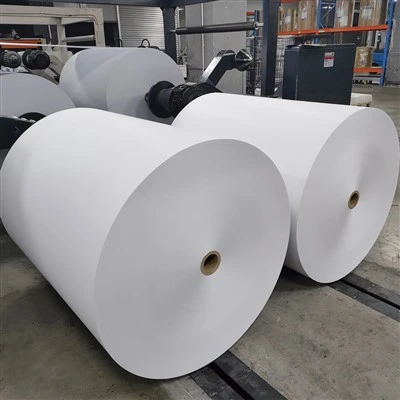
First, let’s start with what tracing paper actually is. For anyone not deep in the supply chain, tracing paper isn’t just the semi-transparent stuff you trace cartoons with. It’s a lightweight, cellulose-based paper (sometimes called tissue paper, though not the kind you blow your nose with) processed to be thin enough to see through, but durable enough for multiple uses. How it’s made: usually, wood pulp or cotton pulp is broken down into fibers, beaten into a slurry, spread into sheets, and sometimes treated with chemicals to boost transparency. That base cellulose is key here—because cellulose is made of long sugar-like polymer chains, and those chains are where yellowing starts.
Wait, cellulose is white, right? So why would it turn yellow? Let’s keep this simple. Paper yellows when its cellulose chains break down. Those broken ends of the cellulose chains have something called chromophores—molecules that absorb light, specifically blue light, which makes us perceive the paper as yellow. That’s the basic science, but the real story has a lot to do with what tracing paper is made of, how it’s processed, and the environment it lives in.
Let’s start with the biggest culprit for most tracing paper: the pulp it’s made from. Cheap, standard tracing paper uses wood pulp, right? Wood pulp has a lot of lignin in it. Lignin is the stuff that holds tree cells together. Lignin is naturally light, but over time, it breaks down super easily when exposed to UV light (sunlight, fluorescent lights) and oxygen. When lignin breaks down, it forms those same yellow chromophores. That’s why a cheap roll of drugstore tracing paper will turn yellow in a year if you leave it on a windowsill—sunlight hits the lignin, breaks it down, and boom, yellow.
But wait, what about premium tracing paper? The kind architects use for blueprints, or artists use for watercolor sketches? A lot of those use cotton pulp instead of wood. Cotton has almost no lignin, so it’s way more resistant to yellowing, right? Yeah, that’s true—but it’s not zero. Cotton tracing paper will still yellow, just way slower. Why? Because even cotton cellulose has tiny impurities, and the processing chemicals we add to make it transparent can react over time. For example, when we coat tracing paper with stuff to make it semi-transparent (usually mineral oils, resins, or even plastics sometimes), those coatings can break down too. Add a little moisture, a little heat, and those coatings start to oxidize, turning yellow.
Then there’s the environment. Even the best tracing paper will yellow faster if it’s stored in a bad spot. Let’s say you stick a roll of tracing paper in a damp basement, or hang a sketch on a wall that gets direct sun all day. Humidity is a big one. Water molecules in humid air act like little scissors, breaking cellulose chains apart. UV light is even worse—if your tracing paper is in a room with lots of windows, the UV rays from sunlight speed up both lignin breakdown and cellulose degradation. Even artificial light, like fluorescent or LED lights, can emit some UV or small amounts of heat that add up over years. Poor air quality matters too—things like air pollution, smoke, even chemicals from paint or cleaning products can accelerate yellowing. Those pollutants can react with the paper’s surface, creating those yellow chromophores right on the sheet.
Wait, let’s test this with a quick example. I had a customer last year who ordered 50 rolls of standard wood-pulp tracing paper for a design school project. The students stored half the rolls in a dark, dry closet, and the other half in a classroom with big windows. Six months later, the closet-stored rolls were still bright off-white, the window rolls were pale yellow. That’s exactly what we’re talking about. The same paper, different environment, totally different outcome.
Now, can we prevent tracing paper from yellowing? As a supplier, we get asked this all the time, and the short answer is: it depends on the type of paper, and how you store it. For people using standard wood-pulp tracing paper, here’s what works. First, store it away from direct sunlight. If you’re using it for a project, don’t leave it lying on a windowsill. Keep rolls in opaque boxes, or flat in a drawer, away from UV. Second, keep it in a low-humidity spot. Basements or attics are bad—aim for 30-50% humidity, which is the sweet spot for paper storage. Third, avoid storing it near things that emit chemicals, like paint cans, glue, or even old books. Those chemicals can seep into the paper and speed up yellowing.
If you need tracing paper that stays white longer, you can go with a lignin-free option. Cotton-based tracing paper, or even some specialty wood-pulp papers that have had most of the lignin removed, yellow way slower. We stock both, by the way—for architects who need plans to last 50 years, cotton tracing paper is a no-brainer, and for kids doing a one-time craft project, standard wood-pulp is cheaper and works fine.
Wait, is there a myth here? Sometimes people think tracing paper yellowing is just old age, but no—it’s mostly triggered by external factors. I’ve seen 10-year-old cotton tracing paper that’s still almost white, and 2-year-old standard tracing paper that’s bright yellow because it was left in the sun. The key is that yellowing isn’t an inevitable part of tracing paper’s lifespan—it’s a reaction to its surroundings.
Let’s also talk about something called “foxing,” which is those brown spots you sometimes see on old paper. Foxing is a different reaction, usually from moisture and mold spores, but yellowing and foxing are often linked. If you notice yellow spots on your tracing paper, that’s a sign it’s been exposed to too much moisture or pollution, which is worth checking out.
Now, as a supplier, this stuff matters to me because we don’t just sell paper—we help people use it for years. I’ve had a freelance illustrator come to us last year, upset because her 3-year-old sketch on tracing paper had turned yellow right before a client meeting. She had stored it in a studio next to a coffee maker, so the humidity from the coffee machine was to blame. We ended up sending her a roll of our cotton tracing paper as a sample, and she told me a month later that her new sketches stored in her office closet were still bright. That’s why I care about this: understanding why yellowing happens lets us recommend the right paper, and give customers tips to keep their projects looking good.
So to wrap it up: yes, tracing paper does yellow over time, but it’s not a given. The cause is a mix of what the paper is made of (lignin in wood pulp is the main bad guy) and how you store it (sunlight, humidity, chemicals speed it up). If you want your tracing paper to stay white longer, go lignin-free, and store it in a cool, dry, dark spot.
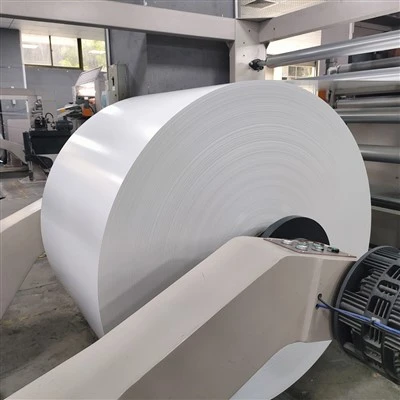
If you’re looking for high-quality tracing paper for any project—architectural plans, art, crafts, whatever—we’ve got options for every use case. Whether you need a bulk order of standard paper for a school project, or premium cotton tracing paper to make sure your work lasts decades, we can help. Reach out to us to chat through what you need, and we’ll point you in the right direction.
Tracing Paper References
- Technical Association of the Pulp and Paper Industry (TAPPI). (2019). Yellowing of Cellulosic Paper: Mechanisms and Mitigation. TAPPI Journal, 18(3), 124-131.
- Banerjee, S. (2021). Paper Degradation: Causes, Effects, and Preservation Strategies. Journal of Cultural Heritage, 45, 210-218.
- British Library. (2020). Guide to Paper Preservation. Department of Collection Care, British Library.
Dongguan Banyan Material Co., Ltd.
We are one of the most experienced tracing paper manufacturers and suppliers in China, also support customized service. Please feel free to wholesale bulk eco-friendly tracing paper from our factory. Quality products and reasonable price are available.
Address: NO.167, Meijing West Road, Songmushan, Dalang Town, Dongguan City, Guangdong Province, China
E-mail: Sales_chris@yspaper.com
WebSite: https://www.paperyoung.com/
