Hey there! I’m a supplier of CNC gear hobbing machines. Over the years, I’ve gotten tons of questions from customers about how to enhance the surface finish quality of gears made by these machines. It’s a big deal because the surface finish of gears directly impacts their performance, durability, and noise levels. So, I’m gonna share some tips and tricks that can really make a difference. CNC Gear Hobbing Machine
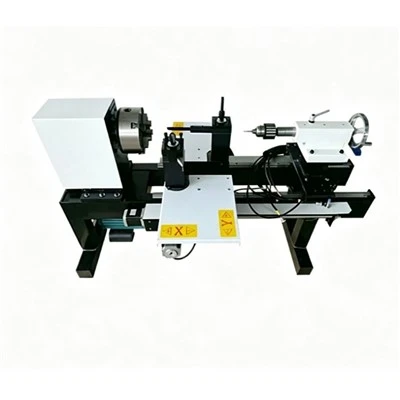
First off, let’s talk about the basics. The surface finish of a gear is all about its smoothness and roughness. A better surface finish means the gear will have less friction, run more quietly, and last longer. And when you’re using a CNC gear hobbing machine, several factors come into play.
Tool Selection
The cutting tool is like the heart of the gear – hobbing process. You gotta pick the right one. High – speed steel (HSS) hobs are pretty common. They’re cost – effective and work well for many applications. But if you’re dealing with harder materials or need a super – fine finish, carbide hobs are a better bet.
Carbide hobs are more expensive, but they’re super sharp and can maintain their edge for a long time. That means less wear and tear, and a more consistent surface finish on your gears. I’ve seen cases where just switching from an HSS hob to a carbide one can improve the surface finish by a significant margin.
Another thing to consider is the hob’s geometry. The number of teeth, the helix angle, and the rake angle all affect how the tool cuts into the material. A hob with the wrong geometry can cause rough surfaces, chatter marks, or even over – cutting. So, make sure to choose a hob that’s designed for the specific gear you’re making.
Machine Settings
The settings on your CNC gear hobbing machine are crucial. Let’s start with the cutting speed. If the cutting speed is too high, the tool can overheat, causing it to wear out quickly and leaving a rough surface on the gear. On the other hand, if the speed is too low, it takes forever to cut the gear, and you might end up with a poor surface finish as well.
You need to find the sweet spot. Usually, the material of the gear and the type of hob you’re using will determine the ideal cutting speed. For example, when cutting steel gears with a carbide hob, a speed of around 100 – 150 meters per minute is often a good starting point, but you’ll need to adjust based on your specific situation.
Feed rate is another important setting. A high feed rate can increase productivity, but if it’s too high, the hob might not cut cleanly, leaving behind a rough surface. A lower feed rate generally results in a better surface finish, but it’ll slow down production. It’s all about finding the balance between speed and quality.
Depth of cut also matters. Taking too large of a depth of cut in one pass can put a lot of stress on the hob and the machine, leading to a rough surface. It’s often better to make multiple light cuts rather than one deep cut.
Workpiece Material
The type of material you’re using for the gears has a huge impact on the surface finish. Some materials are naturally easier to cut than others. For instance, aluminum is relatively soft and cuts smoothly, often resulting in a good surface finish. Steel, on the other hand, can vary in hardness depending on its composition.
If you’re working with hard materials, you might need to use a special coolant or lubricant to reduce friction and heat. This helps the hob cut more smoothly and can improve the surface finish. For softer materials, a simple coolant might be enough, but you still need to make sure it’s applied correctly.
The heat treatment of the workpiece also plays a role. If the material has been heat – treated too hard or unevenly, it can be difficult to cut and may result in a poor surface finish. So, make sure the heat treatment process is well – controlled.
Coolant and Lubrication
Coolant and lubrication are like magic potions for gear hobbing. They help reduce heat, flush away chips, and prevent the hob from sticking to the material. There are different types of coolants available, such as water – based coolants and oil – based coolants.
Water – based coolants are great for reducing heat, but they might not be as effective at lubricating as oil – based ones. Oil – based coolants, on the other hand, provide better lubrication but can be more expensive and messy. You’ll need to choose the right one based on the material you’re cutting and the surface finish you want to achieve.
Proper application of the coolant is also key. It should be sprayed directly at the cutting area to ensure maximum effectiveness. Make sure the coolant system is working properly and that there are no blockages.
Machine Maintenance
A well – maintained CNC gear hobbing machine is essential for good surface finish quality. Regularly check the machine’s alignment. If the axes are not properly aligned, it can cause the hob to cut at an angle, resulting in a rough surface.
Keep the machine clean. Chips and debris can accumulate in the machine, affecting its performance. Make sure to clean the work area, the hob holder, and the spindle regularly.
Check the bearings and belts. Worn – out bearings or loose belts can cause vibrations, which will show up as rough spots on the gear surface. Replace any parts that are showing signs of wear and tear.
Inspection and Feedback
Throughout the gear – hobbing process, it’s important to inspect the gears regularly. You can use tools like surface roughness testers to measure the surface finish of the gears. If you find that the surface finish isn’t up to par, you can make adjustments to the machine settings, tooling, or coolant application.
Collecting feedback from the shop floor is also crucial. The operators who are actually running the machine every day often have valuable insights. They might notice small changes in the surface finish or hear unusual noises that could indicate a problem. Encouraging open communication between the operators and the engineering team can lead to continuous improvement in the surface finish quality.
Conclusion

So, there you have it. Improving the surface finish quality of gears produced by a CNC gear hobbing machine isn’t rocket science, but it does require attention to detail. By choosing the right tool, setting the machine correctly, working with the right material, using proper coolant and lubrication, maintaining the machine, and constantly inspecting and adjusting, you can achieve a high – quality surface finish on your gears.
CNC Gear Hobbing Machine If you’re in the market for a CNC gear hobbing machine or need more advice on improving the surface finish of your gears, don’t hesitate to reach out. We’re here to help you get the best results for your gear – making needs.
References
- "Gear Manufacturing Handbook" by Eric Oberg
- "CNC Machining Technology" by John A. Reinhart
- Industry whitepapers on gear hobbing and surface finish improvement
Jiangsu Xuanman Intelligent Equipment Co., Ltd.
As one of the most professional CNC gear hobbing machine manufacturers in China, we’re featured by quality products and low price. Please rest assured to buy discount CNC gear hobbing machine made in China here from our factory. Customized orders are welcome.
Address: No.1-1, Weier Road, Jieji Equipment Manufacturing Industrial Park, Sihong County, Suqian City, Jiangsu Province, China
E-mail: jsxmzn@163.com
WebSite: https://www.xm-machs.com/
