What are the Corrosion – Resistance Properties of Other Transformer Accessories?
As a supplier of other transformer accessories, I’ve witnessed firsthand the critical role that corrosion resistance plays in the performance and longevity of these components. Transformer accessories are exposed to a variety of harsh environments, from high – humidity coastal areas to industrial zones filled with corrosive chemicals. Understanding the corrosion – resistance properties of these accessories is essential for ensuring the reliability of the entire transformer system. Other Transformer Accessories

1. Types of Transformer Accessories and Their Corrosion Challenges
Bushings
Bushings are used to carry electrical conductors through the grounded tank of the transformer. They are exposed to the external environment and internal electrical stresses. The main materials for bushings are porcelain, resin – impregnated paper, and composite materials.
Porcelain bushings have relatively good corrosion resistance to most common environmental factors. Porcelain is an inorganic material that is resistant to chemical attack from water, oxygen, and many weak acids and alkalis. However, in areas with high levels of sulfur dioxide pollution, such as industrial regions, hydrogen sulfide can react with the moisture on the porcelain surface, leading to the formation of sulfuric acid, which can gradually corrode the porcelain.
Resin – impregnated paper bushings are more vulnerable to moisture – induced corrosion. Moisture can penetrate the paper insulation, causing hydrolysis of the resin and degradation of the insulation properties. In addition, if the resin is not properly formulated, it may be susceptible to attack by certain chemicals in the environment.
Composite bushings, made of materials like silicone rubber, have excellent hydrophobicity, which helps to prevent the formation of continuous water films on the surface. This reduces the risk of corrosion caused by electrochemical reactions. However, they can be affected by ultraviolet (UV) radiation over time, which may cause surface degradation and loss of hydrophobicity.
Tap Changers
Tap changers are used to adjust the voltage ratio of the transformer. They are often located inside the transformer oil tank, but their control mechanisms and external parts are exposed to the environment. The metal parts of tap changers, such as the shafts and contacts, are prone to corrosion.
Carbon steel components in tap changers can rust when exposed to moisture and oxygen. Rust not only weakens the mechanical strength of the parts but also affects the electrical contact performance. Stainless steel is a better choice for some critical parts due to its higher corrosion resistance. However, in chloride – rich environments, such as coastal areas, even stainless steel can suffer from pitting corrosion, which can lead to the failure of the tap changer.
Radiators
Radiators are used to dissipate heat from the transformer. They are usually made of metal, such as steel or aluminum. Radiators are constantly exposed to the outside air and weather conditions.
Steel radiators are susceptible to rusting. The iron in steel reacts with oxygen and water to form iron oxide (rust). This corrosion process can be accelerated by the presence of pollutants in the air, such as sulfur dioxide and nitrogen oxides. Aluminum radiators, on the other hand, have a thin oxide layer on their surface that provides some protection against corrosion. However, in acidic or alkaline environments, this oxide layer can be damaged, exposing the underlying aluminum to further corrosion.
Instrument Transformers
Instrument transformers are used to measure electrical parameters in the transformer system. They are usually housed in enclosures, but their terminals and external connections are still at risk of corrosion.
Copper is commonly used for the windings and connections in instrument transformers. Copper forms a patina when exposed to the atmosphere, which provides some protection against further corrosion. However, in the presence of sulfur – containing compounds, copper can form copper sulfide, which can have a negative impact on the electrical conductivity of the connections.
2. Factors Affecting Corrosion Resistance
Environmental Factors
- Moisture: Moisture is one of the most important factors in corrosion. It provides the medium for electrochemical reactions to occur. In high – humidity environments, the rate of corrosion of metal components increases significantly. For example, in tropical regions with high humidity, the corrosion of transformer accessories is much more severe than in arid regions.
- Temperature: Higher temperatures generally accelerate the rate of corrosion. Chemical reactions occur more rapidly at higher temperatures, and the solubility of gases such as oxygen in water also increases with temperature. This means that in hot climates, the corrosion of transformer accessories needs to be closely monitored.
- Pollutants: Air pollutants such as sulfur dioxide, nitrogen oxides, and chloride ions can have a significant impact on corrosion resistance. Sulfur dioxide can react with moisture to form sulfuric acid, which is highly corrosive. Chloride ions can break down the protective oxide layer on metal surfaces, leading to pitting and crevice corrosion.
Material – Related Factors
- Alloy Composition: Different alloys have different corrosion – resistance properties. For example, stainless steels with higher chromium and nickel content have better corrosion resistance than those with lower content. By carefully selecting the alloy composition, we can improve the corrosion resistance of transformer accessories.
- Surface Treatment: Surface treatments such as painting, galvanizing, and passivation can provide an extra layer of protection against corrosion. Painting can isolate the metal surface from the environment, while galvanizing provides sacrificial protection through the zinc coating. Passivation can enhance the natural oxide layer on the metal surface, making it more resistant to corrosion.
3. Strategies for Improving Corrosion Resistance
Material Selection
When designing and manufacturing transformer accessories, we should choose materials with high corrosion resistance. For example, using stainless steel instead of carbon steel for critical components, and using composite materials with good weatherability for exposed parts. We also need to consider the compatibility of different materials to avoid galvanic corrosion.
Surface Protection
Applying appropriate surface treatments can greatly improve the corrosion resistance of transformer accessories. For metal parts, we can use hot – dip galvanizing, electro – plating, or powder coating. For non – metal parts, we can use UV – resistant coatings to protect against degradation.
Environmental Control
In some cases, it may be possible to control the environment around the transformer accessories. For example, installing dehumidifiers in the transformer room can reduce the humidity level, and using air filters can remove pollutants from the air. However, this approach may be costly and is not always practical, especially for outdoor transformers.
4. Our Offerings as a Supplier
As a supplier of other transformer accessories, we are committed to providing high – quality products with excellent corrosion – resistance properties. We use the latest materials and manufacturing techniques to ensure that our products can withstand the harshest environments.
For bushings, we offer porcelain bushings with special coatings to enhance their resistance to chemical attack. Our resin – impregnated paper bushings are manufactured with high – quality resins and are carefully sealed to prevent moisture ingress. Our composite bushings are made of advanced silicone rubber materials with excellent UV and weather resistance.
Our tap changers are designed with corrosion – resistant materials for critical parts. We use stainless steel shafts and contacts to ensure long – term reliability. The external control mechanisms are also protected by weatherproof enclosures.
Our radiators are either made of high – quality aluminum alloys with a passivation treatment to enhance their corrosion resistance or steel radiators with a thick epoxy coating. This not only protects the radiators from corrosion but also improves their heat – dissipation efficiency.
Our instrument transformers are carefully designed to prevent corrosion of the terminals and connections. We use high – purity copper for the windings and apply anti – corrosion coatings to the external connections.
5. Conclusion
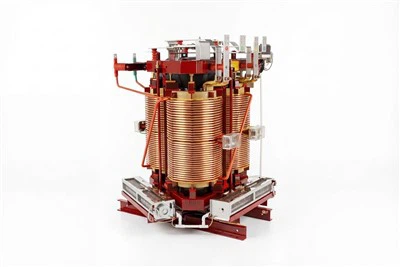
The corrosion – resistance properties of other transformer accessories are crucial for the reliable operation of the entire transformer system. By understanding the types of accessories, the factors affecting corrosion resistance, and the strategies for improvement, we can ensure that our products meet the highest standards of quality and durability.
Power Transformer If you are in need of high – quality transformer accessories with excellent corrosion resistance, we invite you to contact us for a detailed discussion. Our team of experts is ready to provide you with the best solutions tailored to your specific requirements. We look forward to the opportunity to work with you and contribute to the success of your projects.
References
- Fontana, M. G., & Greene, N. D. (1978). Corrosion Engineering. McGraw – Hill.
- Shreir, L. L., Jarman, R. A., & Burstein, G. T. (2000). Corrosion. Butterworth – Heinemann.
- Uhlig, H. H., & Revie, R. W. (1985). Corrosion and Corrosion Control. Wiley – Interscience.
Jiangsu Yuantong Electric Co., Ltd.
As one of the most experienced transformer accessories manufacturers and suppliers in China, we also support customized service. Please rest assured to wholesale bulk high quality transformer accessories in stock here from our factory. Contact us for more details.
Address: No. 202, Qiaogang Road, Xicheng Subdistrict, Hai’an City
E-mail: jsytdq@jsytelectric.com
WebSite: https://www.jsytelectric.com/
