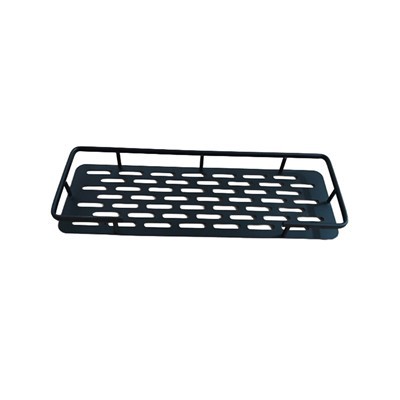
As a seasoned supplier of deep drawn parts, I’ve witnessed firsthand the transformative impact these components have across various industries. Deep drawing is a metalworking process that involves converting flat sheet metal into three-dimensional shapes by using a punch to force the metal into a die cavity. This technique offers a multitude of advantages that make it a preferred choice for manufacturers worldwide. In this blog post, I’ll delve into the key benefits of deep drawn parts and explain why they are an excellent option for your projects. Deep Drawn Parts
Precision and Consistency
One of the most significant advantages of deep drawn parts is the high level of precision and consistency they offer. The deep drawing process allows for tight tolerances, ensuring that each part meets the exact specifications required by the customer. This precision is achieved through the use of advanced tooling and computer-controlled machinery, which can precisely control the movement of the punch and die. As a result, deep drawn parts are highly accurate and repeatable, making them ideal for applications where consistency is critical.
In industries such as automotive, aerospace, and electronics, where even the slightest deviation from specifications can lead to significant problems, the precision of deep drawn parts is invaluable. For example, in the automotive industry, deep drawn parts are used in engine components, transmission systems, and braking systems. These parts must be manufactured to exacting standards to ensure the safety and reliability of the vehicle. By using deep drawn parts, automotive manufacturers can achieve the high level of precision required for these critical applications.
Strength and Durability
Deep drawn parts are known for their exceptional strength and durability. The deep drawing process work-hardens the metal, increasing its strength and resistance to deformation. This makes deep drawn parts ideal for applications that require high strength and reliability, such as in the construction, machinery, and defense industries.
In the construction industry, deep drawn parts are used in structural components, such as beams and columns, as well as in building facades and roofing systems. These parts must be able to withstand the forces of nature, such as wind, rain, and snow, as well as the weight of the building itself. By using deep drawn parts, construction companies can ensure that their buildings are strong, durable, and safe.
In the machinery industry, deep drawn parts are used in a wide range of applications, from small components in consumer electronics to large parts in industrial equipment. These parts must be able to withstand the rigors of continuous use and the stresses of high-speed operation. By using deep drawn parts, machinery manufacturers can ensure that their products are reliable, efficient, and long-lasting.
Cost-Effectiveness
Another advantage of deep drawn parts is their cost-effectiveness. The deep drawing process is highly efficient, allowing for large volumes of parts to be produced quickly and at a relatively low cost. This is because the process uses a single piece of sheet metal, which is formed into the desired shape in a single operation. This eliminates the need for multiple machining operations, such as cutting, welding, and bending, which can be time-consuming and expensive.
In addition, the deep drawing process produces minimal waste, as the entire sheet metal is used to form the part. This reduces the cost of raw materials and makes the process more environmentally friendly. By using deep drawn parts, manufacturers can save on production costs and improve their bottom line.
Design Flexibility
Deep drawn parts offer a high degree of design flexibility, allowing for the creation of complex shapes and geometries. The deep drawing process can be used to form a wide range of shapes, from simple cylinders and boxes to more complex shapes with curved surfaces and intricate details. This makes deep drawn parts ideal for applications where unique and customized designs are required.
In the consumer products industry, deep drawn parts are used in a variety of applications, such as in the manufacture of appliances, furniture, and electronics. These products often require unique and stylish designs to meet the demands of consumers. By using deep drawn parts, manufacturers can create products that are both functional and aesthetically pleasing.
In the medical industry, deep drawn parts are used in a variety of applications, such as in the manufacture of surgical instruments, implantable devices, and diagnostic equipment. These products often require complex shapes and geometries to meet the specific needs of patients. By using deep drawn parts, medical device manufacturers can create products that are both safe and effective.
Material Selection
Deep drawn parts can be manufactured from a wide range of materials, including aluminum, brass, copper, stainless steel, and carbon steel. This allows manufacturers to select the material that best suits the requirements of their application. Different materials offer different properties, such as strength, corrosion resistance, and conductivity, which can be important factors in determining the suitability of a material for a particular application.
In the electronics industry, deep drawn parts are often made from materials such as aluminum and copper, which are highly conductive and lightweight. These materials are ideal for applications such as printed circuit boards, where high conductivity and low weight are important.
In the food and beverage industry, deep drawn parts are often made from materials such as stainless steel, which is corrosion-resistant and easy to clean. These materials are ideal for applications such as food processing equipment and beverage containers, where hygiene and safety are paramount.
Conclusion
In conclusion, deep drawn parts offer a multitude of advantages that make them a preferred choice for manufacturers across a wide range of industries. From precision and consistency to strength and durability, cost-effectiveness, design flexibility, and material selection, deep drawn parts have the potential to meet the demands of even the most challenging applications.
As a supplier of deep drawn parts, I am committed to providing my customers with high-quality products that meet their exact specifications. Whether you are looking for a single prototype or a high-volume production run, I have the expertise and resources to deliver the parts you need on time and within budget.
Die Castings If you are interested in learning more about the advantages of deep drawn parts or would like to discuss your specific requirements, please don’t hesitate to contact me. I would be happy to answer any questions you may have and provide you with a free quote. Let’s work together to find the best solution for your project.
References
- ASM Handbook, Volume 14A: Metalworking: Bulk Forming, ASM International (2005).
- Manufacturing Processes for Engineering Materials, 5th Edition, Serope Kalpakjian and Steven Schmid, Pearson Prentice Hall (2010).
- Fundamentals of Metal Forming, 2nd Edition, Robert H. Wagoner and Nikos A. Agioutantis, Cambridge University Press (2013).
Yuyao Aozhou Metal Products Co., Ltd.
We are one of the most experienced deep drawn parts manufacturers and suppliers in China. With a professional production team, we are able to meet the needs of the majority of our customers. Please rest assured to buy customized deep drawn parts made in China here from our factory.
Address: No.6, Nanbailonggang, Wuma Industrial Zone, Lubu Town, Yuyao City
E-mail: xqr-2316@163.com
WebSite: https://www.cnaozhou.com/
