If you’ve ever walked through our industrial workshop at [Your Company Name] and watched an induction heating machine work its magic—heating a metal shaft in seconds, hardening a gear uniformly, or melting a small billet for forging—one detail that makes this all run smoothly, and most often gets overlooked, is its waterproofing. As an induction heating machine supplier with over 18 years of building and servicing these systems, I’ve seen firsthand what happens when waterproofing checks are skipped: a short circuit mid-production, a corroded coil that costs $2,000 to replace, or a full machine shutdown that stops a whole assembly line for three days. It’s not just a “nice-to-have” feature; it’s a non-negotiable requirement that protects your investment, keeps operators safe, and ensures consistent performance in the environments you run these machines in. Induction Heating Machine
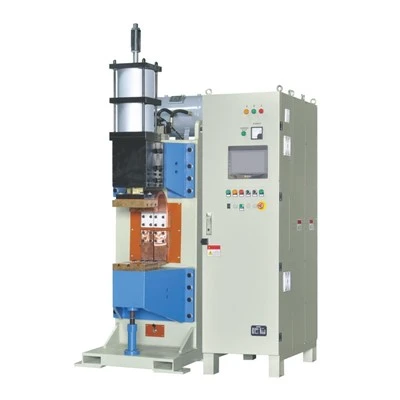
Let’s break this down into the specific, non-negotiable requirements we outline for every induction heating machine we ship, and why each matters. First, you have to remember how induction heating works: high-frequency alternating currents pass through copper coils, creating an electromagnetic field that heats the metal part without direct contact. Those coils are cooled constantly—usually with deionized water—to prevent overheating and burnouts. That means your machine is operating with water right at its core, plus there’s often ambient moisture, cutting fluid, or even cleaning water in most factory floors. Waterproofing isn’t just about keeping water out; it’s about managing water where it’s supposed to be, and keeping it away from where it will cause damage.
The first core requirement is IP (Ingress Protection) ratings tailored to the machine’s two main components: the power cabinet and the heating head/coil assembly. We don’t use a one-size-fits-all IP rating here, because a machine in a clean, climate-controlled tool room has different needs than one running on a dirty, high-harness fabrication floor where parts are washed down daily. For the power cabinet—the box that houses circuit boards, capacitors, and the frequency generator—we mandate a minimum IP54 rating for standard applications. Here’s what IP54 means: solid objects larger than 1mm (like dust, dirt, or metal shavings from parts) can’t get inside, and water splashing from any direction won’t damage internal components. We go a step further for machines used in environments where hosing down the area is common—like auto part shops or metal stamping plants—by upgrading to IP55 for power cabinets. IP55 means it’s also protected against low-pressure water jets from any angle, so a accidental spray from a hose won’t short out a $10,000 capacitor. The heating head, on the other hand, is exposed directly to parts that may carry residual water from rinsing or quenching, so we require a minimum IP65 rating for this section. IP65 is dust-tight, and can handle heavy water jets, which is critical because if even a tiny drop of quenching water gets onto the coil connection points, it can cause arcing, a safety hazard, and uneven heating of parts. We test every machine we build for these ratings in our in-house chamber before it leaves our facility, because cheap, untested plastic covers from low-cost suppliers often don’t hold up after a few months of exposure.
Next, the cooling loop waterproofing system, which is the part of the machine that actually has water running through it, needs to be engineered to prevent leaks that can spread to other parts of the machine. Induction heating machines use closed-loop cooling systems, which means the water is recirculated, not open to the environment. The waterproofing here doesn’t stop at keeping water in the loop; it’s about containing any leaks if they do happen. First, all internal pipes, valves, and connections must be made of corrosion-resistant materials—we use food-grade PVC for lines that carry deionized water, and stainless steel for fittings, because copper or aluminum pipes will corrode in just a few years if exposed to water with even small amounts of minerals. We also add a secondary containment tray under the entire cooling system, sloped toward a drain that’s connected to a leak sensor. That sensor triggers an immediate shutoff of the power if it detects even a small amount of water in the tray, which prevents a leak from damaging the power cabinet. A lot of suppliers skip the secondary tray to cut costs, but last year a client of ours who did that had a leak in a pipe over the weekend that seeped into the power cabinet, ruining three circuit boards and costing them $7,500 in downtime alone. It’s a small add-on that saves big problems.
Then there are operator-facing components, like control panels, buttons, and touchscreens, that need waterproofing to keep operators safe and equipment running. We all know how messy factory floors can be—operators might have wet hands from rinsing parts, or spill coolant while loading or unloading materials. So control panels can’t just be dust-resistant; they need to be water-resistant against direct contact. We require a minimum IP67 rating for control panels, which means they’re dust-tight and can be submerged in up to 1 meter of water for 30 minutes without damage. That’s more than enough to handle a wet hand brushing a button, or even a small splash from a part being quenched in a nearby tank. We also use membrane keyboards and touchscreens with sealed edges, instead of open-frame buttons that can trap water and dirt. A common mistake we see is suppliers using standard consumer-grade touchscreens for industrial machines—those might work in an office, but they’ll fail after a few months when exposed to constant moisture and metal shavings.
Another often-overlooked requirement is electrical insulation for the coil assembly, which is part of the waterproofing system too. The copper heating coils carry high-frequency current, and they’re submerged in water (as part of the cooling process) or are very close to parts that might have residual water on them. So the coils need a waterproof, high-dielectric insulation coating that can handle high temperatures (up to 180°C, which is common for induction heating) and won’t break down over time. We use a proprietary epoxy coating that we apply in three thin layers, curing each layer for 12 hours to ensure no gaps. Cheap insulation coatings from untested suppliers often have pinholes that let water seep through, leading to arcing between coils, which can ruin the entire coil and cause a safety risk. We test each coil for insulation resistance after coating, requiring a minimum of 100 megaohms, to make sure it’s properly waterproofed.
Don’t forget about environmental factors that can make waterproofing requirements stricter depending on where your machine is located. For example, machines used in coastal areas face higher humidity and salt air, which speeds up corrosion. For those, we upgrade the entire machine’s waterproofing: we use galvanized steel frames instead of regular steel, add a clear protective coating on all metal surfaces, and increase all IP ratings by one level (so a power cabinet becomes IP55, heating head becomes IP66). Machines used in cold environments have another challenge: condensation. When a cold machine is brought into a warm, humid factory space, condensation can form inside the casing, leading to rust and electrical damage. So we add a small desiccant air breather to the power cabinet—this lets moisture escape but keeps water and dust out—to prevent condensation buildup. A client in Alaska told us last year that their old machine had condensation issues in winter, and after we added the breather, their downtime from electrical faults dropped by 90%.
Now, let’s talk about what happens when these requirements aren’t met, because it’s not just about the machine—it’s about your bottom line and safety. Last year, we had a prospect from a small metal forging shop reach out to us, saying their previous machine kept breaking down every 6 months from water damage. They’d bought it from a supplier who used IP20 ratings for the power cabinet, which is only protected against solid objects larger than 12mm, no water protection at all. Within a year, they’d spent $12,000 on repairs and lost three days of production when a short circuit caused a fire in the machine. When they upgraded to our machine, which meets all the waterproofing requirements we’ve outlined, they haven’t had a single water-related issue in 18 months. Safety is another big part: a machine that’s not properly waterproofed is a shock hazard for operators. We follow OSHA standards for electrical equipment in industrial settings, which means all waterproofing measures must prevent electrical current from escaping into water or touching operators. That’s non-negotiable for us, because putting your team at risk is never worth a cost cut.
At [Your Company Name], we don’t just sell induction heating machines—we build them to work in real-world conditions, where water, dust, and harsh environments are part of the job. Every machine we ship goes through a 24-hour waterproofing test: we spray water at 10 liters per minute on all sides of the machine, check for leaks, test all electrical components for insulation, and confirm the IP ratings are met. We also provide a 3-year warranty that covers water-related defects, because we stand behind our waterproofing design.
If you’re in the market for an induction heating machine and want to make sure you’re getting one that’s properly waterproofed for your specific application—whether you’re running a clean tool room, a high-harness fabrication floor, or a coastal facility—our team of engineers is ready to help. We can assess your production environment, walk you through the waterproofing features tailored to your needs, and answer any questions you have about design, testing, or maintenance. Don’t wait for a water-related breakdown to derail your production—reach out to us today to discuss your requirements and get a customized solution that works for you.
Induction Heating Machine References
- International Electrotechnical Commission. (2019). IEC 60529: Degrees of protection provided by enclosures (IP Code).
- Occupational Safety and Health Administration. (2021). Electrical Safety Standards in the General Industry (29 CFR 1910 Subpart S).
- The Induction Heating Association. (2020). Best Practices for Induction Heating Machine Design and Maintenance.
- ASTM International. (2018). Standard Test Methods for Water Vapor Transmission of Materials (E96).
Dongguan Huineng Welding Equipment Co., Ltd.
We are one of the most experienced induction heating machine manufacturers and suppliers in China. With a professional production team, we offer a wide range of products with superior quality. Please feel free to buy customized induction heating machine at competitive price from our factory.
Address: 530 Guantai Road, Xitou Village, Houjie Town, Dongguan City, Guangdong Province
E-mail: fengshanggang75@126.com
WebSite: https://www.huinengwelder.com/
