Hey there, if you’ve ever spent time on a construction site, or even just walked past an old downtown building and noticed weird cracks forming in the walls, you’ve probably glanced at building anchors without even realizing it. These little (and not-so-little) metal guys are the unsung heroes holding everything together—they fasten external cladding, window frames, even structural beams to a building’s concrete or steel core, and most of the time we don’t think about them until something goes very wrong. As someone who’s been in the building anchor supply game for over 12 years now, I’ve seen way too many projects where a failing anchor turned a routine inspection into a major headache (or worse, a safety hazard). Today I’m breaking down the real, tangible signs that your building’s anchors are on their way out—no fancy engineering jargon, just the stuff we actually see out in the field every day. Building Anchor

First off, let’s get one thing straight: anchors don’t just “wear out” overnight. Most of the time, their decline builds up over years, and there are tiny, easy-to-miss red flags that pop up long before something catastrophic happens. The problem is, a lot of property managers or general contractors brush off those little signs as normal building settling, or weather-related wear. I’ve heard it all: “That crack above the window is just the building adjusting!” “The cladding panel is a little loose, it’s no big deal!” But here’s the thing—when it comes to anchors, that “little” issue is usually the first domino. Let’s start with the most obvious, and often ignored, sign: visible movement of cladding or facade elements.
I worked on a 1970s office tower downtown a couple years back. The facilities team called us in because they noticed the brick cladding on the west side was shifting—specifically, three panels near the top were slightly out of alignment, like someone had nudged them with a finger. At first, they thought it was just mortar eroding, but when we pulled a sample anchor out (don’t worry, we did it safely with a licensed structural tech), we found the anchor’s expansion sleeve had completely corroded through. The metal had eaten away so much that it wasn’t gripping the concrete core anymore, so the brick panels were hanging on by a thread. That’s the thing about facade anchors: if they fail, the cladding doesn’t just get a little wobbly—it can detach entirely. And when a 10-pound brick panel falls 20 stories? That’s not a “minor maintenance” issue. It’s a liability waiting to happen.
Another sign that’s super easy to spot but often overlooked: cracks in the surrounding material, right where the anchor is embedded. Let’s say you have a concrete wall with an anchor holding a window frame. If there’s a hairline crack radiating out from the anchor hole—like a starburst shape— that’s a huge red flag. Why? Because when an anchor is working properly, it distributes its load evenly into the concrete. But if the anchor is failing (maybe it’s corroded, or it was installed too deep, or the concrete around it is crumbling), that load gets concentrated in a tiny spot. That concentrated pressure cracks the concrete, and once that crack starts, it only gets worse. I’ve seen this on residential buildings too—not just office towers. Last year, we helped a homeowner in Chicago who thought their basement wall was settling. Turned out, the anchor holding their rear deck’s support beam had corroded, and the concrete around the anchor hole was cracking so bad you could fit a screwdriver into the gap. It was a quick fix once we replaced the anchors, but if they’d waited another year? The whole deck would’ve been at risk of collapsing.
Wait, let’s talk about corrosion, because that’s the number one killer of building anchors, hands down. Anchors are usually made of steel—either carbon steel, zinc-plated steel, or stainless steel—depending on where they’re installed. If an anchor is in a high-moisture area (like near a pool, or a building with a leaky roof, or a coastal area where salt air is nonstop), corrosion moves way faster than you’d think. But you don’t have to yank out an anchor to check for corrosion—there are visible clues. For example, if you see rust stains seeping out of anchor holes, that’s the anchor eating away. Those brown streaks on a concrete or brick wall? That’s not just weather— that’s metal rusting inside the hole. Another thing: if an anchor’s head (the part that’s exposed, like the bolt sticking out of the wall) is pitted or looks rough, not smooth, that’s corrosion starting at the surface, and it’s already working its way into the core. I had a project in Miami a few years back where coastal salt air ate through zinc-plated anchors in just 8 years—those rust stains were the first sign, and by the time we inspected, 20% of the facade anchors were shot. That’s not a small number, by the way—20% on a 50-story building is hundreds of anchors.
Oh, and don’t sleep on weird sounds when something’s moving. Like, if you’re near a window or a facade panel and you hear creaking, rattling, or a “clinking” sound when the wind picks up, that’s not just the building “breathing.” That’s a loose anchor. When an anchor is still gripping, it’s tight—no rattle, no creak. But if the anchor is corroded or slipped, the element it’s holding moves, and that movement makes noise. I remember a school district that called us in because teachers were complaining about rattling windows on the second floor. We went in, checked the anchors, and found that half the window anchors had loosened over time because they’d been installed with the wrong torque (they were tightened too little the first time, so they shifted as the building expanded and contracted in summer and winter). The rattling was the anchor moving inside the hole, and if they’d ignored it, the windows would’ve eventually fallen out. That’s a pretty scary thought for a school full of kids, right?
Wait, let’s not forget about structural shifts that are unrelated to weather, but tied directly to anchor failure. Sometimes you’ll notice a door that sticks all of a sudden, or a floor that feels uneven in a small area, and you’ll think it’s a foundation issue—but it could be an anchor. For example, if you have a steel beam holding up a second floor, and its anchor to the concrete core is failing, that beam might shift just enough to make the door next to it stick, or the floor tiles in that area start to crack. A client of mine had a small retail space in Boston where the floor near the checkout counter was sloping. They called a foundation guy, who said the foundation was fine, then they called us. Turns out, the anchors holding the steel support beam for that section of the floor had corroded, so the beam was sagging a little, and that created the slope. It was a quick swap of the bad anchors, and the floor was level again—no foundation work needed. That’s a great example of how anchor issues can mimic other, way more expensive problems.
Now, let’s talk about how to actually check for these signs, because a lot of people don’t know where to start. You don’t need to be a structural engineer—you can do a basic visual inspection every 6 months, especially for older buildings (anything pre-2000 is a big candidate, since corrosion standards weren’t as strict back then). Walk the perimeter of the building, check for: rust stains around anchor holes, loose facade panels, cracks radiating from anchor points, rattling or creaking near windows or cladding, and any unusual sticking doors/windows that weren’t there before. If you spot any of these, don’t panic—but don’t ignore them either. The worst thing you can do is wait until there’s a problem, because emergency anchor replacement is way more expensive than proactive, scheduled checks.
I should also mention that sometimes anchors fail because they were installed wrong in the first place, not because of age or corrosion. Like, if an anchor was drilled into low-quality concrete, or installed at the wrong depth, or not tightened to the right torque, it might start failing after just a few years, even if it’s high-quality. That’s why working with a reputable anchor supplier (like us, obviously) is so important—we don’t just sell you a bolt, we give you specs based on your building’s material, location, and load requirements, so you don’t run into those avoidable issues.
Wait, let’s address a common myth: “Stainless steel anchors never corrode, so they’ll last forever.” That’s not true. Even stainless steel can corrode if it’s exposed to really harsh conditions—like coastal salt air for decades, or if it’s installed in concrete with high chloride content (from de-icing salts used in cold climates). I’ve seen stainless anchors corrode in just 10 years because they were installed in concrete that had way too much chloride, which eats even stainless steel. So don’t assume that expensive, stainless anchors are immune—they just corrode slower, so you still need to check them.
Another myth: “If it’s not broken, don’t fix it.” But with building anchors, that mindset is dangerous. I’ve seen a building where an anchor started corroding, and the property manager waited 3 years to replace it. By then, the corrosion had spread to the surrounding concrete, so we didn’t just have to replace the anchor—we had to grind out the crumbly concrete around it, patch it, and install a new anchor. That added 3x to the cost of the fix, and it took twice as long. Proactive checks and minor repairs are way cheaper than fixing a problem that’s gotten out of hand.
Now, here’s the thing I want you to take away: building anchors are tiny, but they’re responsible for holding up huge parts of a building. Their failure doesn’t just cause cosmetic issues—it can lead to serious safety hazards, property damage, and even injury. The good news is that the signs are almost always visible, if you know what to look for. If you’ve noticed any of the things I talked about—rust stains, loose panels, weird cracks, rattling, sticking doors—don’t wait around. Reach out to us to chat about your anchor needs, whether you need a routine inspection, replacement parts, or new anchors for a build. We don’t just supply anchors—we’ve been in this long enough to give you honest, practical advice, no sales gimmicks, no jargon, just real solutions for your building.
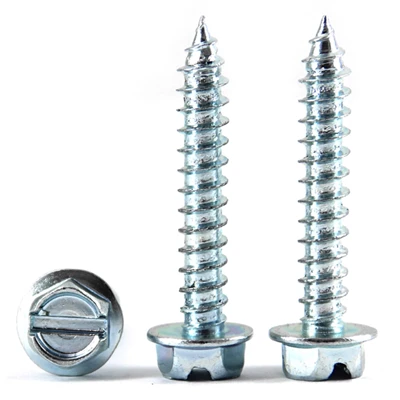
Before I wrap this up, let me just circle back to that Miami tower I mentioned earlier. They caught the rust stains early, did a full inspection, and replaced 20% of their facade anchors before any panels came loose. It cost them a fraction of what it would’ve cost if they’d waited, and it saved them from a potential disaster. That’s the goal, right? Keeping buildings safe, keeping costs reasonable, and not letting small issues turn into big ones. So if you’re a property manager, a contractor, a homeowner, anyone responsible for a building—keep an eye on those anchors. They’re working hard for you, and they’ll let you know when they need a little help.
Hex Bolt References
- American Society of Civil Engineers (ASCE) 7-22: Minimum Design Loads and Associated Criteria for Buildings and Other Structures
- International Building Code (IBC) 2021: Anchorage Requirements for Structural Facades
- National Association of Home Builders (NAHB): Guide to Residential Anchord Installation and Maintenance
- Concrete Technology Corporation: Corrosion Resistance of Fasteners in Construction Applications
- Occupational Safety and Health Administration (OSHA): Fall Protection and Structural Integrity for Exterior Building Work
Handan Dongchao Hardware Products Co., Ltd.
As one of the most professional building anchor manufacturers and suppliers in China, we have world-leading production equipment and strong manufacturing capabilities. Please feel free to wholesale bulk high quality building anchor in stock here and get pricelist from our factory. Customized orders are welcome.
Address: West of Xiaobeizhuang Village, South of Beizhangzhuang Village, Hanshan District, Handan City
E-mail: david@dcscrews.com
WebSite: https://www.dc-screws.com/
