If you’ve ever stood in front of a high-temperature melting furnace, watching metal or glass shift from solid to molten, there’s a good chance the secret workhorse holding all that heat and material is a graphite crucible. As someone who’s spent 12 years in the graphite crucible supply business, I’ve heard every misconception imaginable: that all crucibles are the same, that a $20 import will last as long as a premium custom-molded crucible, or that they’re just plain blocks of carbon. The truth is, nothing could be further from it. Graphite crucibles aren’t one-size-fits-all—each type is engineered for a specific job, matched to the temperature, material, and environment it’ll face. Today, I’m breaking down the main types, how they work, and what matters when you’re choosing which one fits your operation. Graphite Crucible
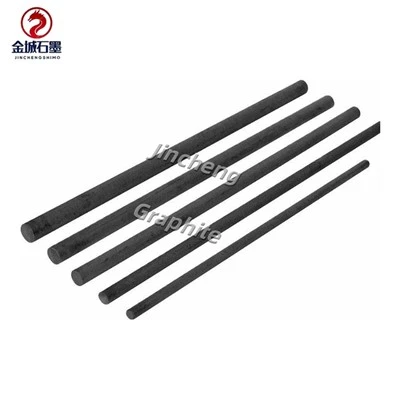
First, let’s start with the basics for anyone new here: a graphite crucible’s core is pure carbon, processed to have high thermal conductivity, resistance to thermal shock, and the ability to withstand temperatures up to 3,000°C (over 5,400°F) when properly treated. But the way that carbon is processed, mixed with other materials, and finished changes everything. The most common category people run into is conventional or extruded graphite crucibles. These are the workhorses of small-scale operations, hobbyist labs, and low-volume melting. They’re made by mixing raw graphite powder with a binder (usually pitch or resin), extruding the mixture into a cylindrical shape, then baking it at high temperatures to cure the binder. The result is a dense, reliable crucible that’s easy to mass-produce at a lower cost.
I’ve sent extruded crucibles to small art foundries melting brass, aluminum, and even occasional bronze pieces for custom sculptures—they’re perfect for that because they handle temperatures up to around 1,800°C, which covers most non-ferrous metal melting needs. But there’s a catch: extruded crucibles have slightly more porosity than other types, so they’re not ideal for materials that react easily with carbon. If you’re melting steel or iron, for example, the carbon in the crucible can leach into the molten metal, ruining its alloy composition. I always advise customers melting ferrous metals to look past extruded crucibles—they’re not built for that kind of chemical exposure. Another thing I’ve learned over the years: extruded crucibles can crack if you shock them too fast—like dropping a cold crucible straight into a pre-heated furnace without pre-warming it first. I once had a customer call panicking because their $80 extruded crucible split mid-aluminum melt, and the problem was they skipped the 30-minute pre-heat step I always recommend. It’s a small detail, but it’s why we include free pre-heat guides with every order, no extra charge.
Next up is molded or isostatically pressed graphite crucibles, and these are the workhorses for mid-sized operations and high-volume industrial use. The process here is way more precise than extrusion: raw graphite powder is mixed with a binder, then pressed under enormous isostatic pressure (think thousands of pounds per square inch) from all directions, instead of being forced through a die like extruded versions. That pressure removes almost all air pockets, creating a uniform, ultra-dense graphite structure with very low porosity. The result is a crucible that can handle higher temperatures (up to 2,500°C, or 4,500°F), resists thermal shock far better than extruded types, and has almost no carbon leaching.
This is the type we sell to die-casting operations melting aluminum and zinc, and small steel foundries doing low-volume alloy testing. I also send them to research labs, where scientists are melting specialty metals like titanium and nickel that need consistent purity. One of my favorite customer stories involves a startup aerospace lab that was having trouble keeping their titanium melts consistent—they’d go through three cheap imported crucibles a month, each one contaminating the metal enough to reject entire test batches. We switched them to our isostatically pressed crucibles, and they cut crucible-related scrap by 85% in the first quarter. The key here is that the uniform density means heat distributes evenly across the entire crucible wall, so there are no hot spots that cause uneven melting or weak points that crack. That’s not to say isostatic crucibles are indestructible—they’re pricier than extruded, so you still have to treat them right—but the tradeoff in durability and purity is worth it for most industrial users.
Now, if you’re melting something that’s extra reactive, or at ultra-high temperatures, you’ll need a coated graphite crucible. Even isostatically pressed graphite has a tiny amount of residual porosity, which can be enough for carbon to interact with molten materials like steel, silicon, or even glass. That’s where coatings come in. The two most common coatings we use are silicon carbide (SiC) and boron nitride (BN), each with their own strengths.
Silicon carbide coated crucibles are the workhorse for ferrous metal melting. The SiC coating acts as a barrier between the graphite core and the molten steel or iron, preventing carbon leaching. These crucibles can handle temperatures up to 2,600°C, resist oxidation (rust, basically) better than uncoated graphite, and last two to three times longer than standard isostatic crucibles for steel applications. I’ve shipped SiC crucibles to large automotive foundries that melt cast iron for engine blocks—they run these crucibles 12 hours a day, five days a week, and they only need to replace them every six months, compared to every two months for uncoated crucibles. The coating does have a downside, though: it’s brittle. If you drop a coated crucible, the chipped coating leaves a gap where the graphite is exposed, and that spot will contaminate your metal in no time. We always give customers a small vial of coating repair paste with every SiC crucible, so they can touch up small chips before they become a problem.
Boron nitride coated crucibles are a different beast entirely. BN is a non-wetting material, meaning molten metals and glass don’t stick to its surface. That makes it perfect for melting specialty materials like precious metals (gold, silver, platinum), high-purity semiconductors, and even nuclear-grade materials that can’t have any carbon contamination. BN can also handle extreme temperatures up to 3,000°C and is non-reactive with almost every element. I once worked with a jewelry maker who was melting platinum for custom engagement rings—she’d been using ceramic crucibles that cracked every other melt, and she’d lose up to 5% of her platinum to sticking and crucible breakage. Swapping to our BN-coated crucible cut her platinum loss to less than 1% per melt, and she’s been a repeat customer for seven years. The tradeoff here is cost: BN coatings are way more expensive than SiC, and they’re more fragile, so they’re only worth the investment for high-value, high-purity applications.
Wait, I should also mention a less common type that’s popped up more in the last decade: graphite crucibles for induction melting. Induction furnaces use electromagnetic fields to heat metal, which means the crucible has to be specially designed to not interfere with that field. Regular graphite crucibles can work, but if they’re not machined to precise dimensions, they’ll absorb the electromagnetic energy instead of transmitting it to the metal, slowing down heating and wasting power. Induction crucibles are thinner-walled than standard crucibles, precision-machined to fit specific furnace coils, and often isostatically pressed for even density to avoid hot spots. I’ve sold induction crucibles to small metal casting shops that use 10kW induction furnaces for scrap aluminum recycling—these crucibles heat 20% faster than off-the-shelf ones, and they last 30% longer because they’re engineered to match the furnace’s electrical output. I also have a handful of custom machinists who use these crucibles for melting small batches of copper for custom wire or art pieces, since they get super precise temperature control with induction.
I get asked all the time: “Which one is best?” And the answer is always, it depends on what you’re melting, how much you’re melting, and how often you need to replace the crucible. If you’re a hobbyist melting 10 pounds of aluminum once a month, an extruded crucible will work just fine, and it’s the most affordable option. If you’re a mid-sized metal shop melting 500 pounds of brass a week, an isostatic crucible is the sweet spot for durability and cost. If you’re melting steel, go with a SiC-coated crucible. If you’re melting platinum or high-purity silicon, spring for the BN-coated one.
I’ve also learned a lot over the years about common mistakes customers make when using graphite crucibles. First, always pre-heat your crucible slowly. If you take a cold crucible and stick it straight into a 1,000°C furnace, the rapid expansion will cause it to crack, no matter what type it is. I tell customers to start with the furnace at 200°C, put the crucible in, then raise the temperature 200°C every 15 minutes until you reach your melting temp—it takes a little extra time, but it doubles the crucible’s lifespan. Second, don’t overfill the crucible. Molten metal expands when it heats up, and if you fill it all the way to the rim, it’ll spill over the top, corrode the furnace, and ruin your crucible. Third, clean your crucible between uses. Scrape out any leftover solidified metal, don’t use a metal brush that can leave shavings, and store it in a cool, dry place—moisture can cause the crucible to crack when you heat it up.

At the end of the day, graphite crucibles are more than just a block of carbon—they’re a precision component that makes or breaks your melting operation. Whether you’re a hobbyist or a large industrial foundry, getting the right type saves you money, cuts down on scrap, and keeps your operation running smoothly. If you’re not sure which type is right for your melting needs, or you’re looking for a custom crucible sized for your specific furnace, feel free to reach out to us to discuss your requirements. We work with operations of all sizes, and we’re happy to help you find the perfect crucible without pushing a one-size-fits-all solution.
Negative Electrode Material Graphite References
- Bradshaw, T. J. (2018). Graphite Crucibles: Properties and Applications in High-Temperature Processing. Carbon, 132, 456-472.
- Nelson, A. M. (2020). Isostatic Pressing for Dense Graphite Components: A Technical Review. Journal of Industrial Materials, 48(3), 112-125.
- Patel, R. K. (2021). Coated Graphite Crucibles for Ferrous and Specialty Metal Melting. International Journal of Metallurgy and Materials Science, 12(2), 89-104.
- White, L. S. (2019). Induction-Compatible Graphite Crucibles: Design and Performance for Small-Scale Melting. Small-Scale Manufacturing Journal, 7(1), 33-41.
Huixian Jincheng Abrasive Mold Factory
As one of the most professional graphite crucible manufacturers and suppliers in China, we have world-leading production equipment and strong manufacturing capabilities. Please rest assured to buy durable graphite crucible for sale here from our factory. Quality products and reasonable price are available.
Address: Mengzhuang Town, Huixian City, Henan Province
E-mail: graphite.jc@gmail.com
WebSite: https://www.graphite-jc.com/
