Hey there! I’m a supplier of pipe fittings, and one question I get asked a lot is, "What is the lifespan of pipe fittings?" It’s a great question, and the answer isn’t as straightforward as you might think. In this blog post, I’m gonna break down the factors that affect the lifespan of pipe fittings and give you a better idea of what to expect. Pipe Fittings
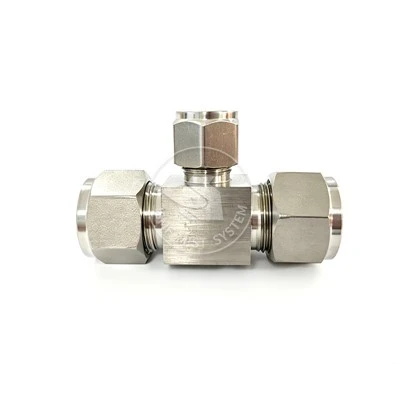
Material Matters
First off, the material of the pipe fitting plays a huge role in how long it’ll last. Different materials have different levels of durability, corrosion resistance, and strength. Let’s take a look at some common materials used for pipe fittings and how they stack up.
Steel Pipe Fittings
Steel is a popular choice for pipe fittings because it’s strong and can withstand high pressure. But its lifespan can vary widely depending on the type of steel and the environment it’s in. Carbon steel, for example, is prone to rusting if it’s exposed to moisture or corrosive substances. In a well – maintained, dry environment, carbon steel pipe fittings can last 20 to 50 years. However, in a harsh industrial setting with lots of chemicals or high humidity, that lifespan can be significantly shorter, maybe 10 to 20 years.
Stainless steel, on the other hand, is much more corrosion – resistant. Its chromium content forms a protective layer that prevents rusting. Stainless steel pipe fittings can last anywhere from 50 to 100 years, even in corrosive environments. That’s why you often see them in food processing plants, chemical factories, and marine applications.
PVC Pipe Fittings
PVC (Polyvinyl Chloride) is a lightweight and inexpensive option. It’s not as strong as steel, but it has excellent corrosion resistance, especially against chemicals and water. PVC pipe fittings are commonly used in residential plumbing systems. In normal conditions, PVC pipe fittings can last 25 to 40 years. But if they’re exposed to direct sunlight for long periods, the UV rays can cause the PVC to break down, reducing its lifespan.
Copper Pipe Fittings
Copper is known for its antimicrobial properties and good heat conductivity. It’s also quite durable. Copper pipe fittings can last 50 to 70 years in a typical water supply system. However, in areas with acidic or hard water, the copper can corrode faster, which might shorten its lifespan to 20 to 30 years.
Installation Quality
Another big factor is how the pipe fittings are installed. If the installation is done poorly, it can lead to leaks, stress on the fittings, and premature failure. For example, if the threads on a threaded pipe fitting aren’t properly sealed or tightened, water or gas can escape, causing corrosion around the fitting.
Incorrect alignment during installation can also put extra stress on the fittings. Over time, this stress can cause cracks to form, reducing the lifespan of the fitting. That’s why it’s so important to have a professional installer or to follow the installation instructions carefully if you’re doing it yourself.
Operating Conditions
The conditions under which the pipe fittings operate also have a major impact on their lifespan. Here are some key elements of operating conditions to consider:
Temperature
Extreme temperatures can be tough on pipe fittings. High temperatures can cause some materials to expand and weaken, while low temperatures can make them brittle. For instance, in a hot water heating system, the constant heating and cooling cycles can put stress on the pipe fittings over time. If the temperature is too high for the material’s rating, it can significantly reduce the lifespan.
Pressure
High – pressure systems require pipe fittings that can handle the load. If the pressure exceeds the rated capacity of the fitting, it can cause the fitting to rupture or leak. For example, in an industrial steam system, where the pressure can be very high, using the wrong type of pipe fitting can lead to failure within a few years.
Chemical Exposure
If the pipe fittings are in contact with chemicals, it can speed up corrosion. Acidic or alkaline chemicals can eat away at the material of the fitting. In a chemical processing plant, where strong acids and bases are used, special corrosion – resistant fittings are necessary. Without them, the fittings might only last a few months or a couple of years.
Maintenance
Regular maintenance can really extend the lifespan of pipe fittings. Simple things like checking for leaks, inspecting for signs of corrosion, and tightening loose connections can go a long way. For example, if you notice a small leak in a pipe fitting, fixing it right away can prevent further damage and corrosion.
In some cases, applying a protective coating to the pipe fittings can also help. This can be especially useful for steel fittings in a corrosive environment. A good coating can act as a barrier between the metal and the corrosive substances, reducing the rate of corrosion.
Estimating Lifespan
So, how can you estimate the lifespan of the pipe fittings you’re using or planning to buy? First, consider the material. As we’ve seen, different materials have different typical lifespans. Then, think about the installation quality. If it was done by a professional and according to the standards, that’s a good sign.
Next, assess the operating conditions. If the temperature, pressure, and chemical exposure are within the material’s limits, the fittings are likely to last longer. Finally, factor in the maintenance. If you’re committed to regular maintenance, you can expect the pipe fittings to last closer to the upper end of their lifespan range.
Why Choose Our Pipe Fittings
As a pipe fitting supplier, I can tell you that we offer a wide range of high – quality pipe fittings made from different materials. Whether you need steel, PVC, or copper fittings, we’ve got you covered. Our products are sourced from reliable manufacturers and are tested to meet industry standards.
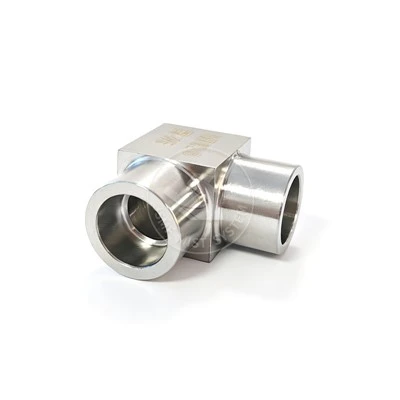
We also understand that every project is unique, and we’re here to help you choose the right pipe fittings for your specific needs. Our team of experts can provide advice on material selection, installation, and maintenance to ensure that your pipe fittings last as long as possible.
Contact Us
Snap-in Connection Piece If you’re in the market for pipe fittings and want to learn more about our products, or if you have any questions about the lifespan of pipe fittings for your project, don’t hesitate to reach out. We’re happy to have a chat with you and see how we can work together. Whether it’s a small residential plumbing job or a large industrial project, we’ve got the right fitting for you. Let’s start a conversation and get your project on the right track!
References
- "Handbook of Pipe Fittings" by J. T. Black et al.
- "Corrosion of Metals in Piping Systems" published by the National Association of Corrosion Engineers
- "Plumbing Engineering Design Handbook" edited by the American Society of Plumbing Engineers
Jinsheng Mist Forest-High Pressure Mist System
Jinsheng Mist Forest-High Pressure Mist System is one of the most experienced pipe fittings manufacturers and suppliers in China, featured by quality products and low price. Please rest assured to wholesale bulk pipe fittings in stock here and get pricelist from our factory. Customized orders are welcome.
Address: 109 Yonghong Road, Wenjiang District, Chengdu City, Sichuan Province, China
E-mail: 18190767523@163.com
WebSite: https://www.jswsmist.com/
