How long does a titanium anode for electroplating last?
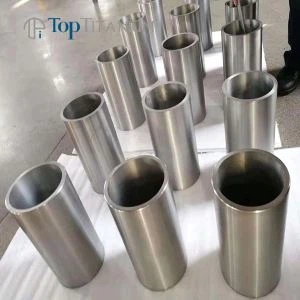
As a seasoned supplier of titanium anodes for electroplating, I often get asked the question: "How long does a titanium anode for electroplating last?" This is a crucial query for businesses involved in electroplating processes, as the lifespan of an anode directly impacts the efficiency and cost – effectiveness of their operations. In this blog, I’ll delve into the factors that influence the longevity of titanium anodes for electroplating and provide some insights based on my years of experience in the industry. Titanium Anode for Electroplating
Factors Affecting the Lifespan of Titanium Anodes
1. Coating Quality
The coating on a titanium anode is one of the most significant determinants of its lifespan. Titanium itself is an excellent base material due to its high corrosion resistance, but it is the coating that provides the electrocatalytic activity required for the electroplating process. High – quality coatings are formulated to withstand the harsh chemical environments and electrical stresses present during electroplating.
For instance, anodes coated with precious metals like platinum or iridium oxide offer superior performance and longevity. Platinum – coated titanium anodes are known for their excellent stability and resistance to oxidation. They can last anywhere from several months to a few years, depending on the operating conditions. On the other hand, anodes with lower – quality coatings may start to degrade within weeks, leading to inconsistent plating results and increased maintenance costs.
2. Operating Conditions
The environment in which the anode operates plays a vital role in its lifespan. Temperature, pH level, and the concentration of the plating solution are all critical factors.
- Temperature: Higher temperatures can accelerate the chemical reactions occurring at the anode surface, which may lead to faster coating degradation. In general, if the electroplating bath operates at elevated temperatures for extended periods, the anode’s lifespan will be reduced. For example, in a hot nickel – plating bath where the temperature can reach up to 60 – 70°C, the anode may experience more wear compared to a bath operating at room temperature.
- pH Level: The acidity or alkalinity of the plating solution can also affect the anode’s longevity. Extreme pH values can cause corrosion of the coating and the titanium substrate. A strongly acidic solution can dissolve the precious metal coating, while a highly alkaline solution may lead to the formation of oxides on the anode surface, reducing its electrocatalytic activity.
- Concentration of Plating Solution: A high concentration of the electroplating electrolyte can increase the electrical conductivity and the intensity of the electrochemical reactions. While this may improve the plating efficiency to some extent, it can also put more stress on the anode coating, leading to faster wear.
3. Current Density
Current density, which is the amount of current passed through the anode per unit area, is another crucial factor. Operating an anode at a very high current density can cause overheating and excessive consumption of the coating. This is because higher current densities increase the rate of electrochemical reactions, putting more stress on the anode surface.
For example, if the recommended current density for a particular anode is 10 – 20 A/m², but it is operated at 30 A/m², the anode will likely experience a shorter lifespan. It is essential to follow the manufacturer’s guidelines regarding current density to ensure optimal performance and longevity of the anode.
4. Maintenance and Care
Proper maintenance and care of the titanium anode can significantly extend its lifespan. Regular cleaning of the anode surface can remove any debris or deposition that may accumulate during the electroplating process. This can prevent the formation of insulating layers on the anode, which can reduce its electrocatalytic activity.
In addition, storing the anode in a dry and clean environment when not in use can also prevent corrosion. Anodes that are left in a humid or dirty area for an extended period may develop rust or other forms of corrosion, which can damage the coating and the substrate.
Typical Lifespan Estimates
Based on my experience and industry data, the lifespan of a titanium anode for electroplating can vary widely.
- Short – term usage (weeks to months): Anodes used in small – scale electroplating operations or those with low – quality coatings may only last a few weeks to a few months. These anodes are often used in batch processes where the operating conditions are not closely controlled, or the budget for anode replacement is limited.
- Medium – term usage (months to a year): Anodes with good – quality coatings and operated under moderate conditions can last from several months to a year. This is the typical lifespan for anodes used in many commercial electroplating facilities, where the operating parameters are carefully monitored and controlled.
- Long – term usage (years): Platinum – coated or high – grade iridium oxide – coated titanium anodes, when operated under ideal conditions and with proper maintenance, can last several years. These anodes are commonly used in high – end electroplating applications where consistency and reliability are of utmost importance.
Extending the Lifespan of Titanium Anodes
To make the most of your titanium anodes and extend their lifespan, here are some practical tips:
- Choose the right anode: Select an anode with a coating that is suitable for your specific electroplating process. Consider factors such as the type of metal being plated, the operating conditions, and your budget.
- Control operating conditions: Monitor and control the temperature, pH level, and concentration of the plating solution to ensure they are within the recommended range. This can prevent excessive wear on the anode coating.
- Maintain proper current density: Do not exceed the recommended current density for the anode. Use a properly sized anode and control the current flow to ensure even distribution of the electrochemical reactions.
- Regular maintenance: Clean the anode regularly to remove any deposits or debris. Inspect the anode for signs of wear or damage and replace it when necessary.
Conclusion
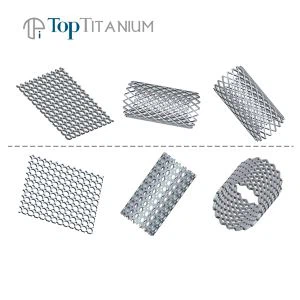
The lifespan of a titanium anode for electroplating is influenced by multiple factors, including coating quality, operating conditions, current density, and maintenance. By understanding these factors and taking appropriate measures, businesses can optimize the performance and longevity of their titanium anodes.
SOFC/SOEC Accessories As a supplier of titanium anodes for electroplating, I am committed to providing high – quality products and valuable advice to our customers. If you are looking to purchase titanium anodes or need more information about their lifespan and maintenance, I encourage you to contact us. Our team of experts will be happy to discuss your specific requirements and help you find the best solution for your electroplating needs.
References
- Literature on electrochemistry and electroplating processes from academic libraries
- Industry reports on the performance and lifespan of titanium anodes in electroplating applications
- Technical data sheets provided by anode manufacturers
Baoji Top Titanium Industry Co., Ltd.
As one of the most professional titanium anode for electroplating manufacturers and suppliers in China, we’re featured by quality products and good price. Please rest assured to buy bulk titanium anode for electroplating in stock here and get quotation from our factory. Customized orders are welcome.
Address: No. 2, South Section Of Phoenix 2nd Road,High-Tech Zone, Baoji,Shaanxi, China (Mainland)
E-mail: sales@bjtopti.com
WebSite: https://www.china-topti.com/
