Hey there! I’m a supplier of Microwave Level Switches, and I’ve been in this biz for a good while. One question that keeps popping up from customers is how the surface condition of the material impacts the performance of a Microwave Level Switch. Well, let’s dive right in and break it down. Microwave Level Switch

What’s a Microwave Level Switch Anyway?
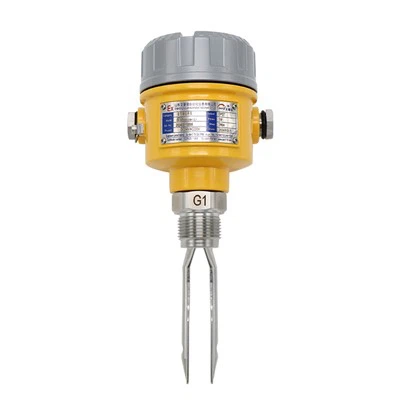
First off, for those who aren’t too familiar, a Microwave Level Switch is a nifty device used to detect the level of liquids or solids in a container. It works by sending out microwave signals. When these signals hit the material’s surface, part of the signal gets reflected back to the switch. Based on the reflected signal, the switch can determine whether the material has reached a certain level.
Surface Roughness
One of the key factors is the surface roughness of the material. When the surface is rough, things get a bit more complicated. You see, a rough surface scatters the microwave signals in different directions. Instead of getting a nice, strong, direct reflection, the signals bounce all over the place. This can lead to a weaker reflected signal reaching the switch.
Let me give you an example. Imagine you’re trying to shine a flashlight on a bumpy wall. The light will scatter, and you won’t get a clear reflection back to your eyes. The same goes for microwaves hitting a rough – surfaced material. As a result, the switch might have a harder time accurately detecting the level. It could give false readings, either indicating that the level is higher or lower than it actually is.
On the other hand, a smooth surface is like a mirror for microwaves. The signals bounce back in a more organized way, and the switch can easily pick up the reflected signal. This means more accurate level detection, fewer false alarms, and better overall performance.
Surface Moisture
Moisture on the material’s surface is another biggie. Microwaves interact differently with water. When the surface is wet, a significant portion of the microwave energy gets absorbed by the water molecules. This reduces the strength of the reflected signal.
For instance, if you’re using a Microwave Level Switch to monitor the level of grains in a silo, and the grains have a bit of surface moisture, the switch might think there’s less material there than there actually is. That’s because the water is soaking up some of the microwave energy.
In some extreme cases, if the surface is completely saturated, the reflected signal might be so weak that the switch can’t detect it at all. This could lead to dangerous situations, like over – filling or under – filling in industrial processes.
Surface Contamination
Contamination on the surface can also mess with the performance of a Microwave Level Switch. If there’s grease, dirt, or other substances on the material, they can change the way microwaves interact with the surface. Some contaminants might absorb or scatter the signals, similar to what rough surfaces or moisture do.
Let’s say you’re in a food processing plant, and there’s some sticky food residue on the surface of the material you’re trying to monitor. This residue can act as a barrier, preventing the microwaves from properly reflecting back. The switch might then give inaccurate readings, potentially leading to inefficiencies in the production process.
Temperature – Related Surface Changes
Temperature can also affect the surface condition and, in turn, the performance of the switch. When materials are exposed to high or low temperatures, their surface properties can change. For example, some materials might expand or contract, which can make the surface rougher.
In cold environments, moisture on the surface might freeze, creating a hard, uneven layer. This frozen layer can scatter the microwaves just like a rough surface does. On the flip side, in hot environments, some materials might melt or become sticky, which can cause contamination and affect the reflection of the microwaves.
How We Can Help
At our place, we’re well aware of these surface – related challenges. That’s why we’ve designed our Microwave Level Switches to be as robust as possible. We use advanced signal processing technology to filter out the noise and interference caused by rough surfaces, moisture, and contamination.
Our switches can adjust their sensitivity based on the changing conditions. So, whether you’re dealing with a powder with a rough surface, a wet liquid, or a contaminated material, our switches can still provide accurate level detection.
We also offer a range of accessories, like protective shields, that can help reduce the impact of contaminants on the surface. These shields act as a barrier between the material and the switch, ensuring that the microwaves can still do their job effectively.
Why Choose Our Microwave Level Switches?
We’ve spent years perfecting our products. Our team of experts is constantly researching and testing new technologies to improve the performance of our switches. We understand that in your industry, accuracy and reliability are crucial. That’s why we take the time to ensure that our switches can withstand various surface conditions.
Our customer support is also top – notch. If you’re having any issues with the performance of the switch due to surface conditions or anything else, we’re just a call away. We’ll work with you to find the best solution for your specific needs.
Ready to Improve Your Level Detection?
26G Radar Level Meter If you’re tired of dealing with inaccurate level detection due to the surface condition of your materials, it’s time to make a change. Our Microwave Level Switches can provide the accuracy and reliability you need. Get in touch with us and let’s start a conversation about how we can help you improve your operations. Whether you’re in the chemical industry, food processing, or any other sector that requires precise level monitoring, we’ve got you covered.
References
- "Microwave Sensor Technology: Principles and Applications" – A comprehensive book on the technology behind microwave sensors
- "Industrial Level Measurement Handbook" – A valuable resource for understanding level measurement challenges in industrial settings
Shandong Aipuxin Automation Instrument Co., Ltd.
Shandong Aipuxin Automation Instrument Co., Ltd. is one of the most professional microwave level switch manufacturers and suppliers in China, specialized in providing high quality customized service. We warmly welcome you to wholesale cheap microwave level switch in stock here from our factory. For price consultation, contact us.
Address: Huigu Phase 1, Zhongnan High-tech Canal New City, Rencheng District, Jining City, Shandong Province
E-mail: aipuxin0124@gmail.com
WebSite: https://www.aipxin.com/
